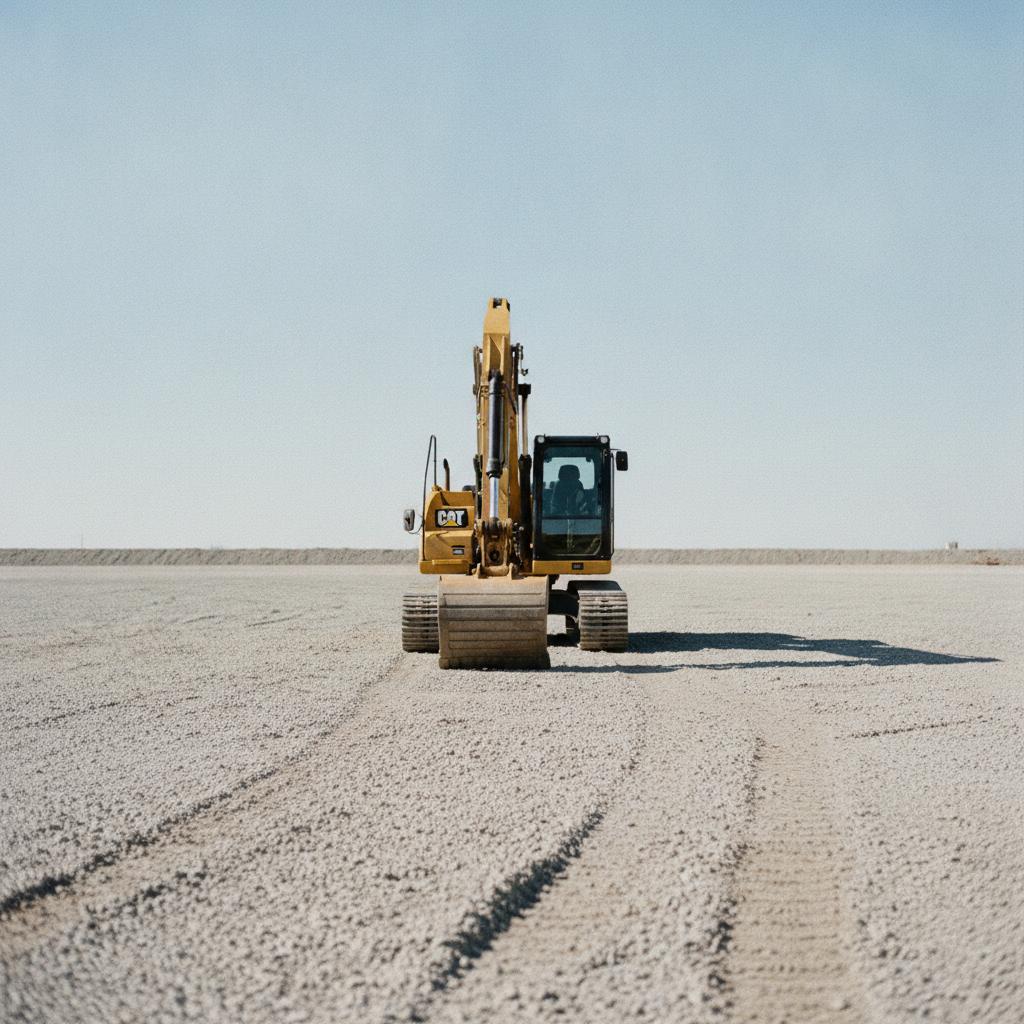
The Cost of Chaotic Heavy Equipment Dispatching
If you run a construction business, managing heavy machinery is one of your biggest logistical hurdles. When an excavator is promised to Site A but mistakenly dispatched to Site B, your entire crew stands idle. Multiply that delay by labor costs, equipment rental overages, and missed project deadlines, and suddenly your profit margins evaporate. Traditional methods like frantic group chat threads, whiteboards, and messy spreadsheets simply cannot keep pace with the demands of modern job sites.
Relying on memory or disjointed messaging tools introduces human error. When project managers call dibs on bulldozers, cranes, and skid steers without a centralized source of truth, costly overlaps are inevitable. To protect your bottom line, you need a dedicated construction heavy equipment dispatch tracker that offers complete operational visibility from a single screen.
Why Legacy Software and Spreadsheets Fail Construction Crews
Many contractors try to manage fleet scheduling using generic spreadsheets or enterprise resource planning (ERP) systems. Unfortunately, these tools usually fall into one of two traps:
- Spreadsheets lack real-time locking: Two project managers can edit a shared file simultaneously, resulting in catastrophic scheduling conflicts that only get discovered when the machinery fails to show up on site.
- Enterprise software penalizes growth: Traditional dispatch tools often charge per-seat fees. When you need to onboard sub-contractors, site supervisors, and back-office staff, your monthly subscription fees skyrocket.
Furthermore, field operations require proof of delivery, maintenance tracking, and condition logs. If your dispatch tool cannot handle visual assets, you are forced to juggle multiple apps, creating more administrative friction for your team.
The Solution: Visual Conflict-Locked Dispatching
Managing shared assets requires a calendar-centric approach. How to Prevent Double Booking for Solo Contractors: The Ultimate Guide explores foundational scheduling strategies, but heavy construction scaling demands robust engine capabilities. OBCal solves this by combining a visual calendar grid with a powerful Conflict Lock Engine. This guarantees 100% schedule overlap prevention for multi-day rentals and heavy machinery deployments.
Instead of guessing equipment availability, your team can instantly view an interactive timeline of every bulldozer, crane, and transport truck. If an asset is booked, the system locks the dates to prevent accidental double-booking. Plus, field crews can attach mobile photo proofs and inspection notes directly to the calendar event, ensuring full accountability before and after transport.
Comparison: OBCal vs. Legacy Dispatch Tools
| Feature | OBCal (Visual Conflict Lock & Flat Rate) | Legacy Software & Spreadsheets |
|---|---|---|
| Schedule Overlaps | Prevented automatically via Conflict Lock Engine | High risk of human error and double-booking |
| Pricing Model | Flat $49/month for unlimited team members | Punitive per-seat licensing fees |
| Asset & Field Proofs | Attach mobile photos, receipts, and logs directly | Requires separate apps or messy paper filing |
| Interface | Intuitive, visual, calendar-first grid | Clunky menus or rigid, unformatted spreadsheets |
Pro Tips for Optimizing Construction Equipment Dispatch
- Color-Code by Asset Category: Group excavators, dump trucks, and smaller tools by distinct color tags on your visual timeline for instant identification.
- Mandatory Photo Check-Ins: Require operators to upload a quick snapshot of the equipment's condition upon arrival to mitigate liability claims.
- Build in Buffer Time: Schedule a mandatory one-hour turnaround block between site drops for routine maintenance checks and fluid top-offs.
Frequently Asked Questions
Can I add external sub-contractors to our dispatch calendar without extra fees?
Yes. OBCal features a flat-rate pricing model of $49 per month that includes unlimited users, allowing you to seamlessly invite site leads, drivers, and partners without paying per-seat penalties.
How does the conflict lock engine prevent double bookings?
When an asset is assigned to a specific date range, the system actively blocks overlapping reservations, making it physically impossible to schedule the same piece of heavy equipment twice.
Can operators upload condition photos from the job site?
Absolutely. Field crews can snap photos and upload maintenance notes directly into the calendar event using any mobile device.
Streamline Your Fleet Management Today
Stop letting scheduling errors eat into your project profits. Keep your heavy machinery moving and your crews accountable with a smarter way to manage operations. Start your 14-day free trial of OBCal today and experience conflict-free dispatching for a flat $49/month.